Category: Uncategorized

  • Egypt’s Grand Mufti: Ahl Al Qibla document unites Muslims on common Islamic foundation

    Egypt’s Grand Mufti: Ahl Al Qibla document unites Muslims on common Islamic foundation

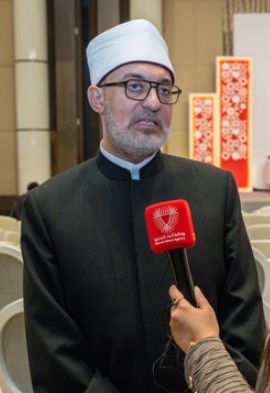
    Dr. Nazir Ayyad, Grand Mufti of Egypt and Head of the General Secretariat for Fatwa Authorities Worldwide, emphasised the significance of the Intra-Islamic Dialogue Conference in Bahrain, held under the royal patronage of His Majesty King Hamad bin Isa Al Khalifa.

    He noted that the conference responds to an invitation from His Eminence Dr. Ahmed Al Tayyeb, Grand Imam of Al Azhar Al Sharif and Chairman of the Muslim Council of Elders. He highlighted its importance amid the challenges facing Arab and Islamic nations and emphasised the need to unite around common ground and move away from division and discord.  

    In a statement to the Bahrain News Agency (BNA), the Grand Mufti of Egypt commended the Grand Imam of Al Azhar’s call at the conference’s opening to establish a unified framework for Ahl Al Qibla (People of the Qibla). This initiative aims to set general guidelines for all Islamic sects. He underlined the need for mechanisms to implement this historic document at both the Islamic and human levels, focusing on correcting religious misconceptions and eliminating extremist misinformation that fosters division.

    He added that academic institutions have a major role in turning this document from theory into practice. They bear the responsibility of raising awareness, promoting accurate knowledge, and countering misinformation. He also highlighted the role of cultural influence, including drama and media, in presenting an authentic and moderate image of Islamic heritage that fosters unity rather than division.

    Dr. Ayad said that the Ahl Al Qibla framework would focus on key principles, including respect for differences, avoiding accusations of heresy or excommunication, and emphasising shared human values. He highlighted that if scholars agree on these points, the success of its implementation will depend on sincerity, goodwill, and the active role of religious institutions in uniting the Islamic nation.

  • مفتی اعظم مصر: سند «اهل قبله» مسلمانان را بر بنیان مشترک اسلامی متحد می‌سازد

    مفتی اعظم مصر: سند «اهل قبله» مسلمانان را بر بنیان مشترک اسلامی متحد می‌سازد

    دکتر نظير عیاد، مفتی اعظم مصر و رئیس دبیرخانه کل نهادهای فتوای جهان، بر اهمیت کنفرانس گفتگوی درون‌اسلامی در بحرین که تحت حمایت اعلیحضرت شاه حمد بن عیسی آل خلیفه برگزار شد، تأکید کرد.

    ایشان اظهار داشتند که این کنفرانس در پاسخ به دعوت حضرت دکتر احمد الطیب، امام اکبر الازهر شریف و رئیس شورای حکمای مسلمان برگزار شده است. ایشان بر اهمیت این رویداد در میان چالش‌های پیش روی ملت‌های عربی و اسلامی تأکید نموده و بر ضرورت اتحاد حول محور مشترکات و دوری از تفرقه و اختلاف تصریح فرمودند.

    مفتی اعظم مصر در گفتگو با خبرگزاری بحرین (بی‌ان‌ای) از فراخوان امام اکبر الازهر در افتتاحیه کنفرانس در راستای ایجاد چارچوب متحد برای «اهل قبله» ستایش نمودند. این ابتکار عمل با هدف تدوین رهنمودهای کلی برای تمامی مذاهب اسلامی صورت می‌پذیرد. ایشان بر ضرورت ایجاد سازوکارهایی برای اجرای این سند تاریخی در سطوح اسلامی و انسانی تأکید فرمودند که بر تصحیح برداشت‌های نادرست دینی و زدودن اطلاعات نادرست افراطی که موجب تفرقه می‌شود، متمرکز است.

    ایشان افزودند که نهادهای دانشگاهی نقش عمده‌ای در تبدیل این سند از نظریه به عمل دارند. این نهادها مسئولیت افزایش آگاهی، ترویج دانش صحیح و مقابله با اطلاعات نادرست را بر عهده دارند. همچنین ایشان بر نقش تأثیر فرهنگی، از جمله نمایش و رسانه، در ارائه تصویری اصیل و میانه‌رو از میراث اسلامی که موجب وحدت به جای تفرقه می‌شود، تأکید نمودند.

    دکتر عیاد تصریح کردند که چارچوب «اهل قبله» بر اصول کلیدی از جمله احترام به تفاوت‌ها، پرهیز از اتهام بدعت یا تکفیر، و تأکید بر ارزش‌های مشترک انسانی متمرکز خواهد بود. ایشان خاطرنشان ساختند که در صورت توافق علما بر این نکات، موفقیت در اجرای آن منوط به صداقت، حسن نیت و نقش فعال نهادهای دینی در متحد ساختن امت اسلامی خواهد بود.

  • نشست سوم کنفرانس گفت‌وگوی درون اسلامی بر نقش گفت‌وگو در وحدت و مشارکت زنان در تقویت تفاهم تأکید کرد

    نشست سوم کنفرانس گفت‌وگوی درون اسلامی بر نقش گفت‌وگو در وحدت و مشارکت زنان در تقویت تفاهم تأکید کرد

    دانشمندان و اندیشمندان شرکت‌کننده در سومین نشست کنفرانس گفت‌وگوی درون اسلامی که تحت عنوان «یک ملت… یک سرنوشت مشترک» برگزار شد، به بررسی نقش زنان در گفت‌وگوی اسلامی، تقویت تفاهم میان مذاهب مختلف اسلامی و مقابله با تلاش‌ها برای سوءاستفاده از اختلافات به‌منظور ایجاد تفرقه پرداختند.

    این نشست که با مدیریت دکتر رشید بن علی الحارثی، رئیس دانشکده علوم شریعت در سلطان‌نشین عمان، برگزار شد، بر نقش زنان در ارتقای گفت‌وگو به‌عنوان شرکای اساسی در توسعه اجتماعی و مدافعان تسامح و اعتدال تأکید داشت.

    در سخنان خود، دکتر محمود الخزاعی، رئیس مؤسسه عدالت و حکمت در ایالات متحده، بر اهمیت ترویج فرهنگ گفت‌وگو و تسامح برای تقویت جایگاه زنان در جامعه تأکید کرد.

    وی خاطرنشان کرد که توانمندسازی زنان به نفع کل جامعه است و نقش آنان فراتر از صرفاً مشارکت در رویدادها است. وی خدیجه بنت خویلد، همسر پیامبر اسلام (ص)، را نمونه‌ای از خرد و ایمان دانست و به نقش او در حمایت از دعوت اسلامی اشاره کرد.

    دکتر عایشه یوسف المناعی، مدیر مرکز محمد بن حمد آل ثانی برای مشارکت مسلمانان در تمدن در دانشکده مطالعات اسلامی دانشگاه حمد بن خلیفه، تأکید کرد که گفت‌وگوی مؤثر درون اسلامی مستلزم مشارکت فعال زنان و مردان است، زیرا هر دو به یک اندازه برای جامعه ضروری هستند.

    وی بر نقش زنان در نهادینه‌سازی فرهنگ گفت‌وگو از دوران کودکی از طریق ترویج احترام به تفاوت‌ها و تقویت اصول تسامح و اعتدال تأکید کرد.

    وی به بیانیه الازهر اشاره کرد که تأکید دارد جوامع بدون همکاری مشترک زنان و مردان در ساخت و پیشرفت آن‌ها، قادر به توسعه نیستند. وی تأکید کرد که زنان و مردان نقش اساسی در حفظ ارزش‌های اجتماعی، فرهنگی و دینی دارند و به‌طور همزمان در توسعه جمعی جهان اسلام سهیم هستند.

    دکتر المناعی همچنین به استقامت زنان فلسطینی در شرایط بحران اشاره کرد و گفت که پایداری آنان در برابر سختی‌ها، نشان‌دهنده نقش آن‌ها در حفظ هویت و تقویت ارزش‌های اسلامی است.

    دکتر شیخه مریم بنت حسن آل خلیفه، معاون رئیس شورای عالی زنان، به نقش زنان در شکل‌دهی به گفت‌وگوی درون اسلامی پرداخت.

    وی تأکید کرد که زنان، به‌عنوان نیمی از جامعه، تأثیر قابل توجهی در تقویت فرهنگ تفاهم از سنین کودکی دارند.

    وی همچنین بر ضرورت نهادینه‌سازی ارزش‌های تسامح و گشودگی، همراه با تقویت مهارت‌های گفت‌وگو در میان نسل‌های آینده تأکید کرد.

    دکتر شیخه مریم بنت حسن بر این نکته تأکید کرد که ایجاد یک جامعه منسجم مستلزم احترام به تنوع دینی و مذهبی است، حتی در صورت وجود دیدگاه‌های متفاوت. وی اهمیت تقویت ارزش‌های مشترکی که مسلمانان را متحد می‌سازد تا امت اسلامی بتواند به‌طور فعال در شکل‌دهی به آینده خود مشارکت کند را مؤکد کرد.

    دکتر صافیناز سلیمان، پژوهشگر دانشگاه ویسکانسین-مدیسن در ایالات متحده، به چالش‌های پیش روی جوامع مسلمان در غرب و نقش نهادهای اسلامی در حمایت از آن‌ها پرداخت.

    وی تأکید کرد که مسلمانان در اروپا و ایالات متحده همچنان بخشی جدایی‌ناپذیر از امت اسلامی جهانی هستند و منبعی از قدرت تمدنی محسوب می‌شوند که باید از طریق روابط قوی‌تر با جهان اسلام تقویت شود.

    وی خاطرنشان کرد که نهادهای برجسته اسلامی، به‌ویژه الازهر، می‌توانند نقش مهمی در حمایت از جوامع مسلمان در غرب ایفا کنند؛ از جمله از طریق برنامه‌های تبادل فرهنگی، همکاری‌های علمی و ابتکاراتی که رهبران دینی را به ابزارهای لازم برای ترویج درک صحیح از اسلام مجهز می‌کند.

    دکتر نهله الصعیدی، مشاور امام اعظم الازهر در امور مهاجران، به نقش زنان در تقویت گفت‌وگو اشاره کرد و گفت که اسلام جایگاهی ممتاز برای آنان قائل است و آن‌ها را به‌عنوان شریکانی در ساخت جوامع به رسمیت می‌شناسد.

    وی به نمونه‌های تاریخی از جمله عایشه بنت ابی‌بکر، همسر پیامبر اسلام (ص)، اشاره کرد که نقشی اساسی در غنابخشی به گفتمان دینی داشت.

    دکتر الصعیدی همچنین خواستار توانمندسازی زنان برای ایفای نقش فعال‌تر در کاهش اختلافات میان مذاهب اسلامی شد و بر استفاده از توانایی‌های طبیعی آنان در ارتباطات و حل تعارضات تأکید کرد.

    شرکت‌کنندگان به اتفاق آرا تأکید کردند که گفت‌وگو برای دستیابی به همبستگی اجتماعی و تقویت همزیستی میان مذاهب اسلامی ضروری است.

    آنان بر اهمیت نهادینه‌سازی این ارزش‌ها در جامعه تأکید کردند و ضرورت مشارکت زنان در این تلاش‌ها را، به‌عنوان مشارکت‌کنندگانی کلیدی در شکل‌دهی به نسل‌های آینده بر پایه اصول تسامح و تفاهم متقابل، مورد تأکید قرار دادند.

  • Third session of Intra-Islamic Dialogue Conference highlights dialogue’s role in unity and women’s participation in fostering understanding

    Third session of Intra-Islamic Dialogue Conference highlights dialogue’s role in unity and women’s participation in fostering understanding

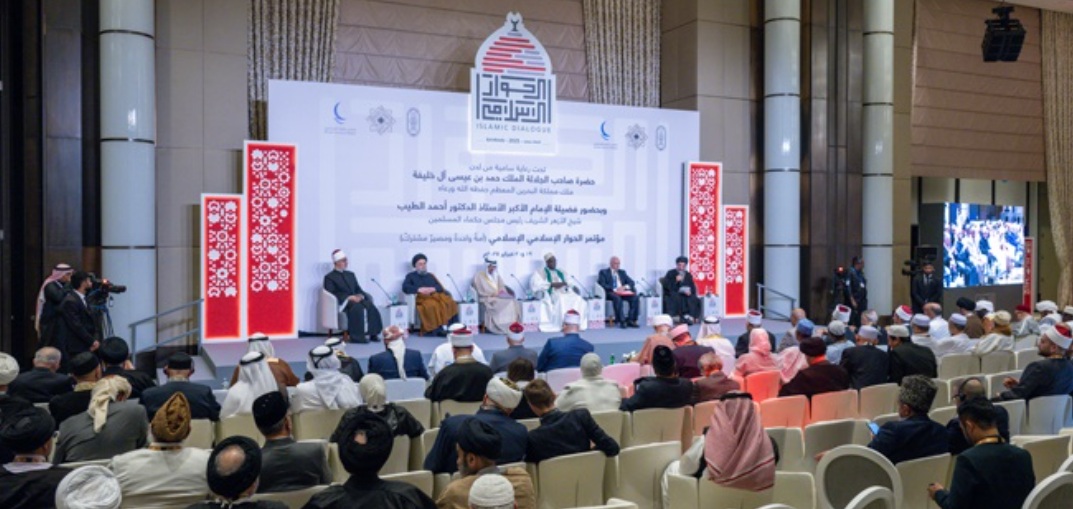
    Scholars and intellectuals participating in the third session of the Intra-Islamic Dialogue Conference, held under the theme “One Nation… One Shared Destiny.” 

    Participants discussed the role of women in Islamic dialogue, fostering understanding among different Islamic schools of thought, and countering efforts to exploit differences to create division.

    The session, moderated by Dr. Rashid bin Ali Al Harthi, Dean of the College of Sharia Sciences in the Sultanate of Oman, focused on the role of women in promoting dialogue as essential partners in societal development and advocates of tolerance and moderation.

    In his remarks, Dr. Mahmoud Alkhuzaee, President of Justice and Wisdom in the United States, underscored the importance of spreading a culture of dialogue and tolerance to strengthen women’s status in society.

    He noted that empowering women benefits the entire community, emphasising that their role extends beyond participation in events. He referenced Khadijah bint Khuwaylid, wife of Prophet Muhammad (PBUH), as an example of wisdom and faith, highlighting her contributions to supporting the Islamic call.

    Dr. Aisha Yousif Al Mannai, Director of the Muhammad bin Hamad Al Thani Centre for Muslim Contribution to Civilisation at the College of Islamic Studies, Hamad Bin Khalifa University, emphasised that meaningful intra-Islamic dialogue requires the active participation of both men and women, as they are equally essential to society.

    She highlighted the role of women in instilling a culture of dialogue from childhood by promoting respect for differences and reinforcing principles of tolerance and moderation.

    She cited the Al Azhar Declaration, which highlights that societies cannot progress unless both men and women share responsibilities in building and advancing communities. She stressed that both have an essential role in upholding social, cultural, and religious values while contributing to the collective development of the Islamic world.

    Dr. Al Mannai also highlighted the resilience of Palestinian women in times of crisis, stating that their steadfastness in the face of adversity demonstrates their role in preserving identity and reinforcing Islamic values. 

    Dr. Shaikha Maryam bint Hassan Al Khalifa, Vice President of the Supreme Council for Women (SCW), addressed the role of women in shaping intra-Islamic dialogue. 

    She emphasised that, as half of society, women have a significant influence on fostering a culture of understanding from an early age. 

    She emphasised the importance of instilling values of tolerance and openness while enhancing dialogue skills among younger generations. 

    Dr. Shaikha Maryam bint Hassan emphasised that fostering a cohesive society requires respecting religious and sectarian diversity, even in the presence of differing viewpoints. She underscored the importance of reinforcing shared values that unite Muslims, enabling the Islamic nation to actively contribute to shaping its future.

    Dr. Safinaz Suleiman, a fellow at the University of Wisconsin-Madison in the United States, addressed the challenges facing Muslim communities in the West and the role of Islamic institutions in supporting them. 

    She emphasised that Muslims in Europe and the United States remain an integral part of the global Islamic nation and represent a source of civilisational strength that must be nurtured through stronger ties with the broader Muslim world.

    She noted that leading Islamic institutions, particularly Al Azhar, can play an important role in supporting Muslim communities in the West through cultural exchange programmes, academic cooperation, and initiatives that equip religious leaders with the necessary tools to promote a correct understanding of Islam.

    Dr. Nahla Al Saeedi, Advisor to the Grand Imam of Al Azhar for Expatriate Affairs, highlighted women’s contributions to fostering dialogue, noting that Islam grants them a distinguished status and recognises them as partners in building societies. She cited historical examples, such as Aisha bint Abi Bakr, wife of Prophet Muhammad (PBUH), who played a crucial role in enriching religious discourse. 

    Dr. Al Saeedi also called for enabling women to take on a more active role in bridging differences between Islamic sects, leveraging their natural abilities in communication and conflict resolution.

    Participants unanimously agreed that dialogue is essential for achieving social harmony and strengthening coexistence among Islamic schools of thought. 

    They noted the importance of embedding these values within society. They emphasised the need to integrate women into these efforts as key contributors to shaping future generations based on the principles of tolerance and mutual understanding.
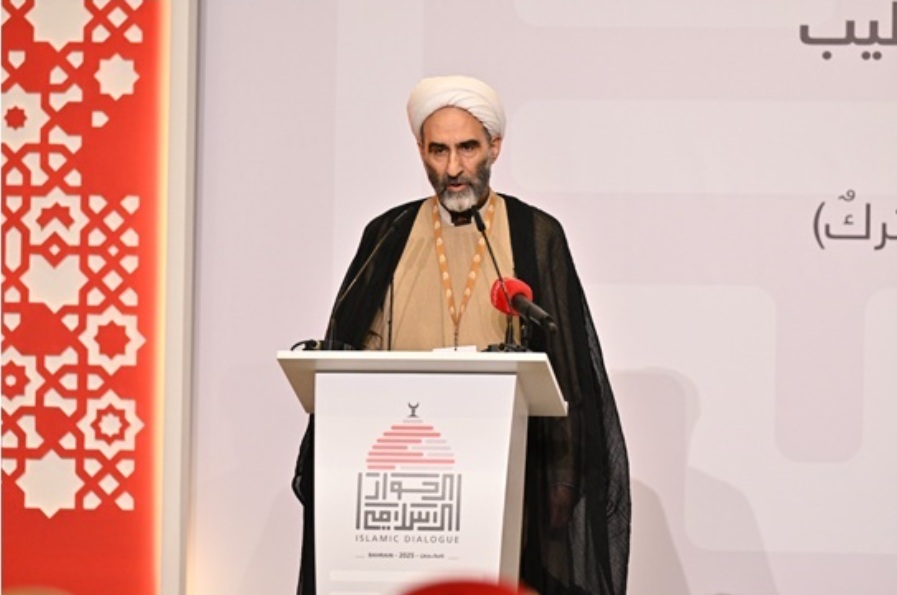
  • آیت‌الله شیخ احمد مبلّغی در کنفرانس گفت‌وگوی درون اسلامی شرکت کرد

    آیت‌الله شیخ احمد مبلّغی در کنفرانس گفت‌وگوی درون اسلامی شرکت کرد

    آیت‌الله شیخ احمد مبلّغی در کنفرانس گفت‌وگوی درون اسلامی که تحت عنوان «یک ملت، یک سرنوشت مشترک» برگزار شد، شرکت کرد.

    آیت‌الله مبلّغی تأکید کرد که وحدت اسلامی صرفاً یک مفهوم فکری نیست، بلکه یک وظیفه دینی است که از اهداف شریعت نشأت می‌گیرد. وی بر این نکته تأکید کرد که گفت‌وگوی درون‌مذهبی باید در اولویت قرار گیرد تا روابطی که تحت تأثیر اختلافات قرار گرفته‌اند، بازسازی شده و امت اسلامی بر پایه فهم و همگرایی مجدد شکل گیرد.

    وی خاطرنشان کرد که شریعت برای تنظیم امور امت اسلامی و حفظ انسجام آن نازل شده است، نه برای تثبیت تفرقه و اختلاف. وی توضیح داد که شریعت هدفی در خود ندارد، بلکه برای خدمت به دین و حفظ آن در زندگی مردم وضع شده است.

    آیت‌الله مبلّغی بیان کرد که اختلال در رابطه میان شریعت و امت اسلامی می‌تواند آن را از نیرویی وحدت‌بخش به عاملی برای تفرقه تبدیل کند. وی تأکید کرد که اختلاف در تفسیرها به خودی خود مشکل نیست، بلکه سیاسی‌سازی این اختلافات است که به جای گفتمان فکری سازنده، موجب تضعیف امت اسلامی می‌شود.

    وی تصریح کرد که اختلافات فقهی نباید به تفرقه منجر شود، بلکه باید با دیدگاهی علمی و جامع‌نگر به آن نگریسته شود، به گونه‌ای که اسلام به عنوان یک کل واحد شناخته شود، نه گروه‌های پراکنده و متخاصم.

    آیت‌الله مبلّغی اظهار داشت که توسعه علوم اسلامی در هر مذهب، گاهی موجب محدود شدن نگاه آن مذهب به امت اسلامی می‌شود. وی تأکید کرد که این امر منجر به تفسیرهای فقهی محدودی شده است که بازتاب کاملی از جوهره شریعت در ارتباط با امت اسلامی ندارد. وی خاطرنشان کرد که هنگامی که مذاهب به‌صورت مستقل عمل می‌کنند، دیدگاه‌های فقهی آن‌ها ممکن است بیشتر به تفرقه دامن بزند تا وحدت، و در نتیجه تأثیر دین در جامعه تضعیف شود.

    وی تأکید کرد که برای آنکه شریعت بتواند نقش واقعی خود را ایفا کند، علوم اسلامی باید دیدگاهی را بپذیرند که امت اسلامی را به عنوان یک کل واحد در نظر بگیرد. به گفته وی، تنوع فقهی باید به‌عنوان یک عامل تکامل و هم‌افزایی، نه تفرقه، مورد استفاده قرار گیرد.

    آیت‌الله مبلّغی خواستار بازنگری در برنامه‌های آموزشی اسلامی شد تا به‌جای تمرکز بر تفاوت‌ها، بر نقاط مشترک میان مذاهب تأکید شود. وی هشدار داد که هرگونه رویکرد آموزشی که وحدت امت اسلامی را نادیده بگیرد، ممکن است شریعت را از واقعیات معاصر و در نتیجه از هدف دینی آن جدا کند.

    در پایان سخنان خود، آیت‌الله مبلّغی تأکید کرد که وحدت اسلامی تنها یک شعار نیست، بلکه یک وظیفه دینی است که نیازمند بازتعریف رابطه میان شریعت و امت اسلامی است. وی بر ضرورت ایجاد یک گفت‌وگوی ساختارمند و مستمر میان مذاهب در چارچوب تفکر اسلامی تأکید کرد تا ثبات و انسجام امت اسلامی تقویت شود.

  • Ayatollah Sheikh Ahmed Moballeghi participates in Intra-Islamic Dialogue Conference

    Ayatollah Sheikh Ahmed Moballeghi participates in Intra-Islamic Dialogue Conference

    Ayatollah Sheikh Ahmed Moballeghi participated in the Intra-Islamic Dialogue Conference, held under the theme “One Nation, One Shared Destiny.”

    Ayatollah Moballeghi emphasised that Islamic unity is not merely an intellectual concept, but a religious obligation dictated by the objectives of Sharia. He underscored that intra-sect dialogue must be prioritised as a means to restore relationships affected by differences and rebuild the Islamic nation on a foundation of understanding and harmony.

    He noted that Sharia came to organise the affairs of the Islamic nation and ensure its cohesion, not to consolidate division or disunity, explaining that Sharia is not an end in itself, but was established to serve and uphold religion in people’s lives.

    Ayatollah Moballeghi explained that disruptions in the relationship between Sharia and the Islamic nation could turn it from a unifying force into a source of division. He emphasised that differences in interpretation are not the issue; rather, their politicisation undermines the Islamic nation instead of fostering constructive intellectual discourse.

    He emphasised that jurisprudential differences should not lead to division but should instead be approached with a scholarly and comprehensive mindset that recognises Islam as a unified entity rather than fragmented groups in conflict.

    Ayatollah Moballeghi said that the development of Islamic sciences in each sect limits their comprehensive vision of the Islamic nation. He noted that this has led to narrow jurisprudential interpretations that do not fully reflect the essence of Sharia in its connection to the wider Islamic nation. He emphasised that when sects operate independently, their jurisprudential perspectives may reinforce division rather than fostering unity, ultimately weakening the influence of religion in society.

    He emphasised that for Sharia to fulfil its true role, Islamic science must adopt a vision that regards the Islamic nation as a single entity. Jurisprudential diversity, he said, should be a source of integration rather than division.

    Ayatollah Moballeghi called for a review of Islamic education curricula to emphasise commonalities between sects rather than differences, noting that any academic approach that neglects the unity of the Islamic nation risks disconnecting Sharia from contemporary realities and, consequently, from its religious purpose.

    Concluding his remarks, Ayatollah Moballeghi emphasised that Islamic unity is not just a slogan but a religious obligation that requires redefining the relationship between Sharia and the Islamic nation. He stressed the need for a structured and ongoing dialogue between sects within Islamic thought to strengthen stability and cohesion across the Islamic nation.

  • Russia’s Grand Mufti highlights Bahrain’s role in strengthening Islamic unity

    Russia’s Grand Mufti highlights Bahrain’s role in strengthening Islamic unity

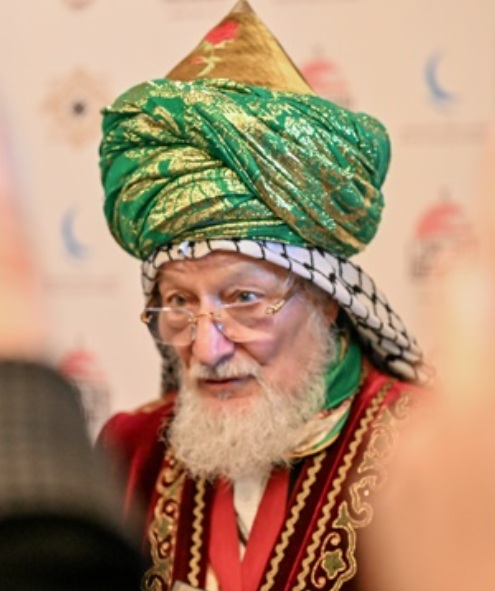
    Shaikh Talgat Tadzhuddin, Grand Mufti of Russia and Chairman of the Central Spiritual Administration of Muslims of Russia, emphasised the role of the Kingdom of Bahrain and His Majesty King Hamad bin Isa Al Khalifa in fostering Islamic unity.

    He stated that the Intra-Islamic Dialogue Conference, held under the theme “One Nation, One Shared Destiny,” represents an important gathering for promoting solidarity, particularly amid global challenges.

    Shaikh Tadzhuddin noted the importance of consolidating unity within the Islamic world, underscoring the importance of addressing challenges while preserving the religious and humanitarian values passed down through generations.

    He highlighted the role of these values in strengthening cooperation among nations and developing education to support cultural and social collaboration. He also underscored the importance of faith and Islamic principles in countering division and discord.

    He commended Bahrain’s role in guiding the Islamic world toward cooperation and unity, describing it as a commitment that deserves support and appreciation for the benefit of Muslim communities.

    Shaikh Tadzhuddin also emphasised the importance of cooperation and solidarity in Islamic nations to confront global challenges. He called for intensified efforts to strengthen interfaith and intercultural relations based on coexistence, mutual respect, and collaboration.

  • مفتی اعظم روسیه بر نقش بحرین در تقویت وحدت اسلامی تأکید کرد

    مفتی اعظم روسیه بر نقش بحرین در تقویت وحدت اسلامی تأکید کرد

    شیخ طلعت تاج‌الدین، مفتی اعظم روسیه و رئیس اداره مرکزی دینی مسلمانان روسیه، بر نقش پادشاهی بحرین و اعلی‌حضرت شاه حمد بن عیسی آل خلیفه در تقویت وحدت اسلامی تأکید کرد.

    وی اظهار داشت که کنفرانس گفت‌وگوی درون اسلامی، که تحت عنوان «یک ملت، یک سرنوشت مشترک» برگزار شد، یک گردهمایی مهم برای ترویج همبستگی به ویژه در میان چالش‌های جهانی است.

    شیخ تاج‌الدین بر اهمیت تحکیم وحدت در جهان اسلام تأکید کرد و ضرورت پرداختن به چالش‌ها را در عین حفظ ارزش‌های دینی و انسانی که نسل‌ها به ارث برده‌اند، خاطرنشان ساخت.

    وی بر نقش این ارزش‌ها در تقویت همکاری میان ملت‌ها و توسعه آموزش برای حمایت از همکاری‌های فرهنگی و اجتماعی تأکید کرد. ایشان همچنین اهمیت ایمان و اصول اسلامی در مقابله با تفرقه و اختلافات را مؤکد ساخت.

    وی از نقش بحرین در هدایت جهان اسلام به سمت همکاری و وحدت تقدیر کرد و آن را تعهدی شایسته حمایت و قدردانی برای خیر جوامع مسلمان دانست.

    شیخ تاج‌الدین همچنین بر اهمیت همکاری و همبستگی در میان ملت‌های اسلامی برای مقابله با چالش‌های جهانی تأکید کرد. وی خواستار تشدید تلاش‌ها برای تقویت روابط بین‌الادیانی و بین‌فرهنگی بر اساس همزیستی، احترام متقابل و همکاری شد.

  • Second session of Intra-Islamic Dialogue Conference highlights scholars’ role in promoting understanding, peaceful coexistence

    Second session of Intra-Islamic Dialogue Conference highlights scholars’ role in promoting understanding, peaceful coexistence

    Islamic scholars and thinkers from various countries stressed the need to promote a culture of understanding and tolerance among different sects. 

    They highlighted the pivotal role of scholars and religious authorities in overcoming barriers to dialogue and fostering connections between Islamic sects. 

    This discussion took place during the second session of the Intra-Islamic Dialogue Conference, held under the theme “One Nation, One Shared Destiny”.

    The session was held with the participation of prominent religious and intellectual figures. 

    The session was moderated by Dr. Abdullah bin Ibrahim Al Shreika, Director of the Centre for Moderation Promotion at Kuwait’s Ministry of Awqaf and Islamic Affairs.

    His Eminence Sayyed Ali Al Amin, member of the Muslim Council of Elders, said that differences in scholarly opinions have never been a cause of division among their followers. He emphasised that political exploitation of diversity is what leads to sharp divisions. 

    He called for enhancing the values of citizenship, justice, and equality among members of the Muslim nation. 

    He also suggested that establishing joint religious institutes among sects would help reinforce Islamic unity and tolerance.

    His Eminence Dr. Nazir Ayyad, Grand Mufti of Egypt and President of the General Secretariat for Fatwa Authorities Worldwide, emphasised that the concept of “citizenship” is not a foreign idea conflicting with Islam but rather a call for mutual understanding, justice, and coexistence. 

    He pointed out that the Prophet Mohammed embodied this principle in the Madina Charter, which recognised diverse identities and allowed each group its place within a unified state.

    His Eminence Dr. Ayyad proposed several measures to address the challenges facing Islamic countries, including declining public trust due to sectarian rhetoric. 

    He called for the establishment of an independent global association to unify efforts in fostering understanding and promoting citizenship while remaining free from sectarian agendas. 

    He also emphasised the importance of joint humanitarian initiatives in areas such as poverty alleviation and education to further develop unity and belonging.

    His Eminence Sheikh Khalifa Mohammed Al Madani Tal conveyed greetings from His Eminence Sheikh Modane Mounthaqi Ahmed Tal, Custodian of the Tijaniyya Order and President of the Islamic Scholars Association in Senegal. 

    He commended Bahrain for hosting the Intra-Islamic Dialogue Conference and praised His Majesty the King for supporting initiatives that promote tolerance, peaceful coexistence, respect for diversity, and religious freedoms.

    Dr. Ali Abdul Sahib Al Hakim, Secretary General of the Imam Al Hakim Foundation, emphasised that jurisprudential differences are a natural reality and should never lead to conflict or violence. 

    He highlighted the importance of cultural, intellectual, and social understanding and encouraged even a basic level of familiarity with other sects to foster mutual respect.

    Dr. Saeed Shibbar, Secretary-General of the Supreme Council of Scholars in Morocco and professor at Sultan Moulay Slimane University, called for scholars to return to their essential role in promoting inter-sect understanding. He urged them to focus on shared religious principles rather than minor doctrinal differences.

    Participants agreed on the need to sustain dialogue among sects rather than limiting it to occasional events. 

    They emphasised the importance of establishing permanent committees to further develop understanding and inter-sect cooperation.

    They also highlighted the need to instill values of tolerance and openness in future generations through education, cultural programmes, and media initiatives.

    The session concluded with a call for religious and cultural institutions to collaborate in fostering peaceful coexistence and ensuring continuous dialogue to promote unity across the Islamic world.

  • نشست دوم کنفرانس گفت‌وگوی درون اسلامی بر نقش علما در ترویج درک متقابل و همزیستی مسالمت‌آمیز تأکید کرد

    نشست دوم کنفرانس گفت‌وگوی درون اسلامی بر نقش علما در ترویج درک متقابل و همزیستی مسالمت‌آمیز تأکید کرد

    علما و اندیشمندان اسلامی از کشورهای مختلف بر لزوم ترویج فرهنگ درک متقابل و مدارا میان مذاهب مختلف تأکید کردند.

    آن‌ها بر نقش محوری علما و مراجع دینی در رفع موانع گفت‌وگو و تقویت ارتباط میان مذاهب اسلامی تأکید ورزیدند.

    این بحث در جریان نشست دوم کنفرانس گفت‌وگوی درون اسلامی که تحت عنوان «یک ملت، یک سرنوشت مشترک» برگزار شد، صورت گرفت.

    این نشست با مشارکت شخصیت‌های برجسته دینی و فکری برگزار شد.

    نشست مذکور به ریاست دکتر عبدالله بن ابراهیم الشریکه، مدیر مرکز ترویج اعتدال در وزارت اوقاف و امور اسلامی کویت، اداره شد.

    حضرت حجت‌الاسلام سید علی الأمین، عضو شورای حکمای مسلمانان، اظهار داشت که تفاوت دیدگاه‌های علمی هیچ‌گاه موجب تفرقه میان پیروان مذاهب نشده است. وی تأکید کرد که سوءاستفاده سیاسی از این تنوع است که به ایجاد شکاف‌های عمیق منجر می‌شود.

    وی خواستار تقویت ارزش‌های شهروندی، عدالت و برابری میان اعضای امت اسلامی شد.

    همچنین پیشنهاد کرد که ایجاد مؤسسات دینی مشترک میان مذاهب می‌تواند به تحکیم وحدت و تسامح اسلامی کمک کند.

    حضرت دکتر نظیر عیاد، مفتی اعظم مصر و رئیس دبیرخانه کل نهادهای صدور فتوا در سراسر جهان، تأکید کرد که مفهوم «شهروندی» یک مفهوم بیگانه و متضاد با اسلام نیست، بلکه دعوتی به درک متقابل، عدالت و همزیستی است.

    وی اشاره کرد که پیامبر اسلام (ص) این اصل را در پیمان مدینه محقق کرد، پیمانی که هویت‌های متنوع را به رسمیت شناخت و برای هر گروه جایگاهی در یک دولت واحد قائل شد.

    حضرت دکتر عیاد چندین راهکار برای مقابله با چالش‌های پیش روی کشورهای اسلامی پیشنهاد کرد، از جمله کاهش اعتماد عمومی به دلیل گفتمان‌های فرقه‌ای.

    وی خواستار ایجاد یک انجمن مستقل جهانی برای یکپارچه‌سازی تلاش‌ها در جهت تقویت درک متقابل و ترویج شهروندی شد، به گونه‌ای که از هرگونه دستور کار فرقه‌ای به دور باشد.

    وی همچنین بر اهمیت ابتکارات مشترک بشردوستانه در زمینه‌هایی مانند کاهش فقر و آموزش تأکید کرد تا به توسعه وحدت و حس تعلق کمک شود.

    حضرت شیخ خلیفه محمد المدنی تال، پیام سلام حضرت شیخ مدان منتقی احمد تال، متولی طریقت تیجانیه و رئیس انجمن علمای اسلامی سنگال را ابلاغ کرد.

    وی از بحرین به دلیل میزبانی کنفرانس گفت‌وگوی درون اسلامی قدردانی کرد و از حمایت اعلی‌حضرت پادشاه از ابتکاراتی که به ترویج تسامح، همزیستی مسالمت‌آمیز، احترام به تنوع و آزادی‌های دینی می‌پردازد، ستایش نمود.

    دکتر علی عبدالصاحب الحکیم، دبیرکل بنیاد امام الحکیم، تأکید کرد که تفاوت‌های فقهی یک واقعیت طبیعی است و نباید موجب اختلاف و خشونت شود.

    وی بر اهمیت درک فرهنگی، فکری و اجتماعی تأکید کرد و بر لزوم آشنایی حتی در سطح ابتدایی با سایر مذاهب برای تقویت احترام متقابل تأکید ورزید.

    دکتر سعید چبار، دبیرکل شورای عالی علمای مراکش و استاد دانشگاه سلطان مولای سلیمان، خواستار بازگشت علما به نقش اساسی خود در ترویج درک متقابل میان مذاهب شد. وی آن‌ها را به تمرکز بر اصول مشترک دینی به جای اختلافات جزئی فقهی دعوت کرد.

    شرکت‌کنندگان بر لزوم تداوم گفت‌وگو میان مذاهب تأکید کردند و نه محدود کردن آن به رویدادهای مقطعی.

    آنان همچنین بر اهمیت تشکیل کمیته‌های دائمی برای توسعه بیشتر درک متقابل و همکاری میان مذاهب تأکید نمودند.

    همچنین بر لزوم نهادینه کردن ارزش‌های تسامح و گشودگی در نسل‌های آینده از طریق آموزش، برنامه‌های فرهنگی و ابتکارات رسانه‌ای تأکید شد.

    این نشست با دعوت از مؤسسات دینی و فرهنگی برای همکاری در راستای تقویت همزیستی مسالمت‌آمیز و اطمینان از تداوم گفت‌وگو جهت تحکیم وحدت در جهان اسلام به پایان رسید.