Category: Uncategorized

  • First session of Intra-Islamic Dialogue Conference underscores unity, rejects division

    First session of Intra-Islamic Dialogue Conference underscores unity, rejects division

    Participants in the first session of the Intra-Islamic Dialogue Conference, held under the patronage of His Majesty King Hamad bin Isa Al Khalifa, agreed on the importance of further developing Islamic unity and fostering mutual understanding among sects to address challenges facing the Muslim nation.

    Speakers emphasised the need to overcome historical differences and promote peaceful coexistence, citing successful initiatives that have brought Islamic sects closer together.

    Professor Hassan Al Shafei, a member of the Council of Senior Scholars at Al Azhar Al Sharif and the Muslim Council of Elders, highlighted key obstacles to Islamic unity, including lack of mutual knowledge among sect followers and the spread of misinformation that perpetuates false stereotypes. 

    He emphasised the need for awareness-building, dialogue, and a focus on common principles such as the unity of the Quran, the direction of prayer (Qibla), and fundamental tenets of faith.

    Sheikh Dr. Hamid Shahriari, Secretary General of the World Forum for Proximity of Islamic Schools of Thought (WFPIST), called for institutional cooperation among Islamic countries through a unified framework to promote collaboration and collective action. 

    He highlighted that such cooperation would enhance security, stability, and shared progress in the Muslim nation.

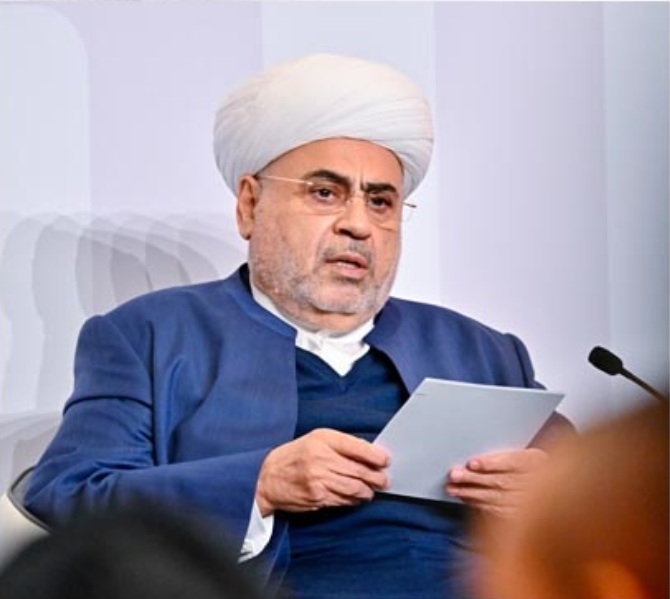
    Sheikh Ul Islam Allahshukur Pashazadeh, Grand Mufti of Azerbaijan and the Caucasus and a member of the Muslim Council of Elders, presented Azerbaijan as a model for Islamic coexistence, where Sunni and Shia Muslims live in harmony, follow a unified worship calendar, and engage in religious practices without distinction between Sunnis and Shia. 

    He noted that this approach reflects Azerbaijan’s national policy and cultural heritage.

    Professor Osama Al Azhari, Egypt’s Minister of Awqaf, stated that theological diversity is a natural part of human existence and religious thought, emphasising that jurisprudential differences should never lead to division or discord within the Muslim community.

    Islamic scholar Dr. Bashar Awad Marouf underscored the need for a structured approach to Islamic dialogue, focusing on shared principles while avoiding the amplification of doctrinal disputes in public discourse.

    Concluding the session, participants noted that achieving Islamic unity is not an impossible goal but requires collective efforts at intellectual, political, and social levels. 

    They highlighted the role of media in fostering reconciliation rather than fuelling conflicts and pointed to successful models of coexistence in the Islamic world that can serve as practical frameworks for unity while countering extremist ideologies.
  • نخستین نشست کنفرانس گفتگوی درون‌اسلامی بر وحدت تأکید کرد و تفرقه را رد نمود

    نخستین نشست کنفرانس گفتگوی درون‌اسلامی بر وحدت تأکید کرد و تفرقه را رد نمود

    شرکت‌کنندگان در نخستین نشست کنفرانس گفتگوی درون‌اسلامی که تحت حمایت اعلی‌حضرت شاه حمد بن عیسی آل خلیفه برگزار شد، بر اهمیت تقویت وحدت اسلامی و گسترش تفاهم متقابل میان مذاهب برای مقابله با چالش‌های پیش‌روی امت اسلامی تأکید کردند.

    سخنرانان بر لزوم غلبه بر اختلافات تاریخی و ترویج همزیستی مسالمت‌آمیز تأکید کرده و نمونه‌های موفقی که مذاهب اسلامی را به یکدیگر نزدیک کرده است، مورد اشاره قرار دادند.

    پروفسور حسن الشافعی، عضو شورای علمای ارشد الازهر الشریف و مجلس حکمای مسلمانان، به موانع کلیدی وحدت اسلامی از جمله فقدان شناخت متقابل میان پیروان مذاهب و انتشار اطلاعات نادرست که کلیشه‌های ناصحیح را تقویت می‌کند، اشاره کرد.

    وی بر اهمیت افزایش آگاهی، گفتگوی سازنده و تمرکز بر اصول مشترک همچون وحدت قرآن، قبله واحد و مبانی اساسی ایمان تأکید نمود.

    شیخ دکتر حمید شهریاری، دبیرکل مجمع جهانی تقریب مکاتب فکری اسلامی، خواستار همکاری نهادی میان کشورهای اسلامی از طریق یک چارچوب واحد برای ترویج همکاری و اقدام جمعی شد.

    وی تأکید کرد که چنین همکاری‌ای می‌تواند امنیت، ثبات و پیشرفت مشترک امت اسلامی را تقویت کند.

    شیخ‌الاسلام الله‌شکور پاشازاده، مفتی اعظم جمهوری آذربایجان و منطقه قفقاز و عضو مجلس حکمای مسلمانان، جمهوری آذربایجان را به عنوان الگویی از همزیستی اسلامی معرفی کرد.

    وی اشاره کرد که مسلمانان اهل سنت و شیعه در این کشور در هماهنگی کامل زندگی می‌کنند، تقویم عبادی مشترکی را دنبال کرده و بدون هیچ تمایزی، مناسک دینی را اجرا می‌کنند.

    وی تأکید کرد که این رویکرد بازتابی از سیاست ملی و میراث فرهنگی جمهوری آذربایجان است.

    پروفسور اسامه الازهرى، وزیر اوقاف مصر، بیان کرد که تنوع کلامی و فقهی بخشی طبیعی از وجود انسان و اندیشه دینی است و بر این نکته تأکید کرد که اختلافات فقهی هرگز نباید به تفرقه و نزاع در درون امت اسلامی منجر شود.

    دکتر بشار عواد معروف، اندیشمند اسلامی، بر ضرورت رویکردی ساختاریافته برای گفتگوی اسلامی تأکید کرد و پیشنهاد داد که باید بر اصول مشترک تمرکز شود و از تشدید اختلافات عقیدتی در فضای عمومی پرهیز گردد.

    در پایان این نشست، شرکت‌کنندگان تأکید کردند که تحقق وحدت اسلامی هدفی دست‌نیافتنی نیست، بلکه نیازمند تلاش‌های جمعی در سطوح فکری، سیاسی و اجتماعی است.

    آنان همچنین نقش رسانه‌ها را در ایجاد آشتی و تقریب مذاهب به جای دامن زدن به درگیری‌ها، مورد توجه قرار دادند و مدل‌های موفق همزیستی در جهان اسلام را به عنوان چارچوب‌های عملی برای وحدت و مقابله با ایدئولوژی‌های افراطی مطرح کردند.

  • OIC Secretary General participates in Intra-Islamic Dialogue Conference

    OIC Secretary General participates in Intra-Islamic Dialogue Conference

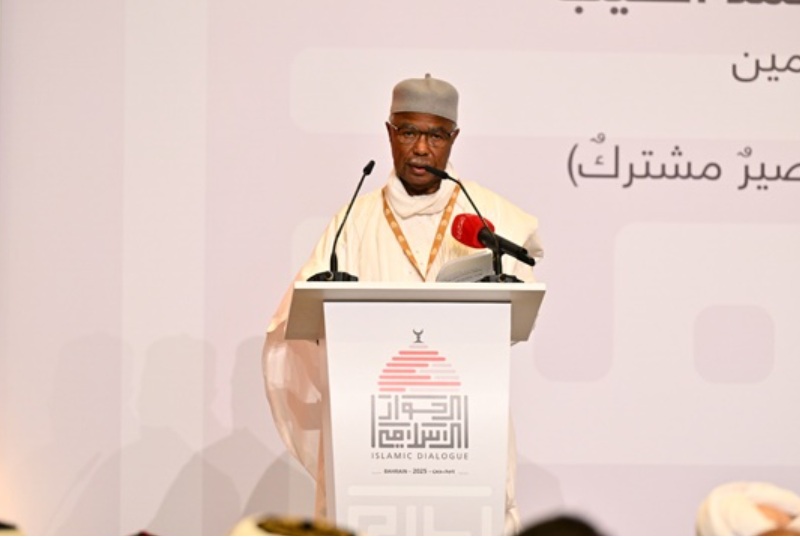
    Hissein Brahim Taha, Secretary General of the Organisation of Islamic Cooperation (OIC), participated in the Intra-Islamic Dialogue Conference, held in Bahrain under the theme “One Nation, One Shared Destiny.”

    In his remarks, the OIC Secretary General emphasised the importance of consolidating the values of solidarity and cooperation among Islamic nations to address shared challenges. He highlighted the organisation’s active role in fostering dialogue, promoting a culture of moderation, and peaceful coexistence.

    He expressed appreciation to the Kingdom of Bahrain for hosting the conference and commended His Majesty King Hamad bin Isa Al Khalifa for supporting initiatives that promote Islamic rapprochement, dialogue, and peace.

    He commended the role of the Supreme Council for Islamic Affairs (SCIA), chaired by Shaikh Abdulrahman bin Mohammed bin Rashid Al Khalifa, in organising the event, which brings together scholars, intellectuals, and thought leaders from across the Islamic world.

    The Secretary General highlighted the growing challenges facing the Islamic world, including political crises, armed conflicts, economic difficulties, food security issues, and climate change.

    The OIC Secretary General noted the need for collective action and intensified efforts to confront these challenges effectively.

    He underscored the OIC’s commitment to addressing these pressing issues through its various programmes while continuing to defend the causes of the Islamic nation, particularly the Palestinian cause and the rights of Muslim minorities in non-OIC member states. He noted the importance of prioritising efforts to combat Islamophobia, extremism, and hate speech while promoting moderation and tolerance.

    The Secretary General urged scholars and intellectuals to take responsibility for raising awareness of the importance of intra-Islamic dialogue and supporting efforts to build societies founded on justice and mutual respect.

    Taha highlighted the OIC’s initiatives to enhance cooperation among Islamic countries in science and technology, economic integration, and food security, as well as its efforts to support women’s empowerment, youth development, child welfare, and care for the elderly. He noted the need for intensified joint efforts to ensure a prosperous future for the Islamic world.

    The Secretary General underscored the OIC’s commitment to supporting all initiatives that promote Islamic cooperation, dialogue, moderation, and tolerance.

    He wished the conference success in achieving its objectives and in shaping a vision that strengthens unity among Islamic nations and reinforces the concept of a shared destiny.

  • دبیرکل سازمان همکاری اسلامی در کنفرانس گفتگوی درون‌اسلامی شرکت کرد

    دبیرکل سازمان همکاری اسلامی در کنفرانس گفتگوی درون‌اسلامی شرکت کرد

    حسین ابراهیم طه، دبیرکل سازمان همکاری اسلامی، در کنفرانس گفتگوی درون‌اسلامی که در بحرین و با شعار «یک امت، یک سرنوشت مشترک» برگزار شد، شرکت کرد.

    وی در سخنان خود بر اهمیت تقویت ارزش‌های همبستگی و همکاری میان کشورهای اسلامی به منظور مقابله با چالش‌های مشترک تأکید کرد. او همچنین نقش فعال سازمان همکاری اسلامی در ترویج گفتگو، گسترش فرهنگ اعتدال و همزیستی مسالمت‌آمیز را برجسته نمود.

    ایشان از پادشاهی بحرین برای میزبانی این کنفرانس قدردانی کرده و از حمایت‌های اعلی‌حضرت شاه حمد بن عیسی آل خلیفه در زمینه تقریب اسلامی، گفتگو و صلح تمجید نمود.

    وی همچنین نقش شورای عالی امور اسلامی، به ریاست شیخ عبدالرحمن بن محمد بن راشد آل خلیفه، را در سازمان‌دهی این رویداد که اندیشمندان، متفکران و رهبران فکری جهان اسلام را گرد هم آورده، مورد تحسین قرار داد.

    دبیرکل سازمان همکاری اسلامی با اشاره به چالش‌های فزاینده‌ای که جهان اسلام با آن روبه‌رو است، از جمله بحران‌های سیاسی، درگیری‌های مسلحانه، مشکلات اقتصادی، امنیت غذایی و تغییرات اقلیمی، خواستار همکاری جمعی و تلاش‌های گسترده‌تر برای مقابله با این چالش‌ها شد.

    وی بر تعهد سازمان همکاری اسلامی به حل این مسائل از طریق برنامه‌های مختلف خود تأکید کرد و در عین حال، از دفاع مستمر این سازمان از مسائل امت اسلامی، به ویژه مسأله فلسطین و حقوق اقلیت‌های مسلمان در کشورهایی که عضو سازمان همکاری اسلامی نیستند، سخن گفت. ایشان همچنین بر ضرورت اولویت دادن به مبارزه با اسلام‌هراسی، افراط‌گرایی و نفرت‌پراکنی تأکید کرد و خواستار ترویج اعتدال و تسامح شد.

    جناب دبیر کل، از دانشمندان و اندیشمندان اسلامی خواست که مسئولیت آگاهی‌بخشی درباره اهمیت گفتگوی درون‌اسلامی را بر عهده بگیرند و از تلاش‌ها برای ساختن جوامعی مبتنی بر عدالت و احترام متقابل حمایت کنند.

    طه همچنین به ابتکارات این سازمان در راستای ارتقای همکاری میان کشورهای اسلامی در حوزه‌های علم و فناوری، همگرایی اقتصادی و امنیت غذایی اشاره کرد و بر حمایت از توانمندسازی زنان، توسعه جوانان، رفاه کودکان و مراقبت از سالمندان تأکید نمود. وی نیاز به تلاش‌های مشترک گسترده‌تر برای تضمین آینده‌ای درخشان برای جهان اسلام را خاطرنشان کرد و بر حمایت مستمر سازمان همکاری اسلامی از تمامی ابتکاراتی که به تقویت همکاری، گفتگو، اعتدال و تسامح اسلامی کمک می‌کند، تأکید نمود.

    در پایان، وی برای کنفرانس آرزوی موفقیت کرد و ابراز امیدواری نمود که این رویداد بتواند چشم‌اندازی را برای تقویت وحدت کشورهای اسلامی و تحقق مفهوم سرنوشت مشترک شکل دهد.

  • Kazakh Speaker highlights importance of Islamic unity and interfaith dialogue

    Kazakh Speaker highlights importance of Islamic unity and interfaith dialogue

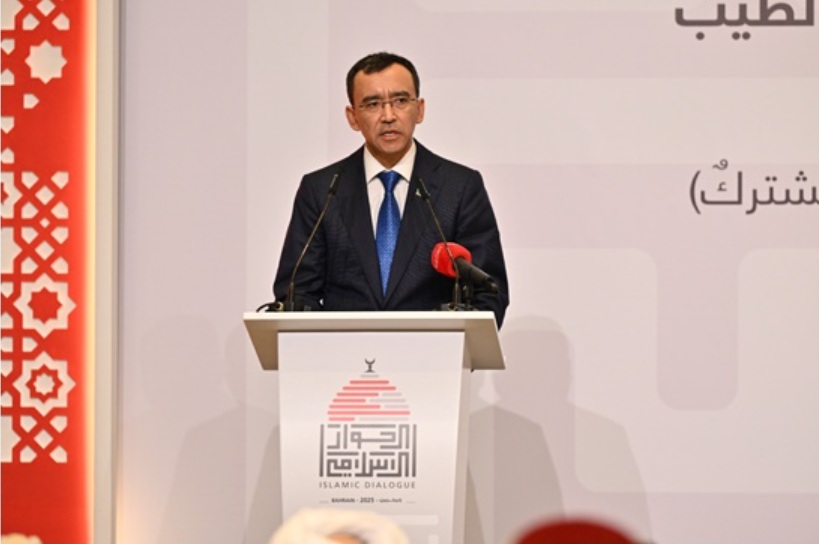
    Maulen Ashimbayev, Speaker of the Senate of Kazakhstan, participated in the Intra-Islamic Dialogue Conference in Bahrain, held under the theme “One Nation, One Shared Destiny.”

    In his remarks at the opening session, Ashimbayev emphasised the pressing need for unity among Islamic sects and interfaith dialogue to address global challenges.

    He expressed his appreciation for the efforts of His Majesty King Hamad bin Isa Al Khalifa in promoting peace and tolerance. He also commended the role of Al Azhar and the Muslim Council of Elders in upholding Islam’s true values of mercy, justice, and coexistence.

    Speaker Ashimbayev highlighted the historical contributions of Islamic civilisation to science, philosophy, and education, calling for a renewed commitment to innovation and intellectual advancement.

    He noted the importance of empowering youth through education, leadership programmes, and interfaith exchanges, citing Kazakhstan’s initiative to host the Forum of Young Religious Leaders as part of the conference.

    The Kazakh Speaker underscored that a united and forward-thinking Islamic world can be a constructive force that contributes to shaping the 21st century. He described the conference as an important platform for fostering dialogue among Islamic sects and advancing collective efforts to address contemporary challenges.

  • رئیس مجلس سنای قزاقستان بر اهمیت وحدت اسلامی و گفتگوی بین ادیان تأکید کرد

    رئیس مجلس سنای قزاقستان بر اهمیت وحدت اسلامی و گفتگوی بین ادیان تأکید کرد

    مائولن آشیمبایف، رئیس مجلس سنای قزاقستان، در کنفرانس گفتگوی درون‌اسلامی که در بحرین و با شعار «یک ملت، یک سرنوشت مشترک» برگزار شد، شرکت کرد.

    وی در سخنرانی خود در جلسه افتتاحیه، ایشان بر ضرورت فوری وحدت میان مذاهب اسلامی و گفتگوی بین ادیان به منظور رسیدگی به چالش‌های جهانی تأکید کرد.

    ایشان همچنین از تلاش‌های اعلی‌حضرت شاه حمد بن عیسی آل خلیفه در ترویج صلح و تسامح قدردانی نمود و نقش الازهر و شورای حکمای مسلمانان را در پاسداری از ارزش‌های اصیل اسلام، از جمله رحمت، عدالت و همزیستی مسالمت‌آمیز ستود.

    وی با اشاره به سهم تاریخی تمدن اسلامی در علوم، فلسفه و آموزش، خواستار توجه مجدد به نوآوری و پیشرفت فکری شد.

    ایشان بر اهمیت توانمندسازی جوانان از طریق آموزش، برنامه‌های رهبری و تبادلات بین ادیانی تأکید کرد و به ابتکار قزاقستان در میزبانی «مجمع رهبران جوان دینی» به عنوان بخشی از این کنفرانس اشاره نمود.

    رئیس مجلس سنای قزاقستان تأکید کرد که یک جهان اسلام متحد و آینده‌نگر می‌تواند نیرویی سازنده در شکل‌دهی قرن ۲۱ باشد. وی کنفرانس گفتگوی درون‌اسلامی را بستری مهم برای تقویت گفتگو میان مذاهب اسلامی و پیشبرد تلاش‌های جمعی در مواجهه با چالش‌های معاصر توصیف کرد.

  • HE Malaysian Prime Minister calls for unity and collective action at Intra-Islamic Dialogue Conference

    HE Malaysian Prime Minister calls for unity and collective action at Intra-Islamic Dialogue Conference

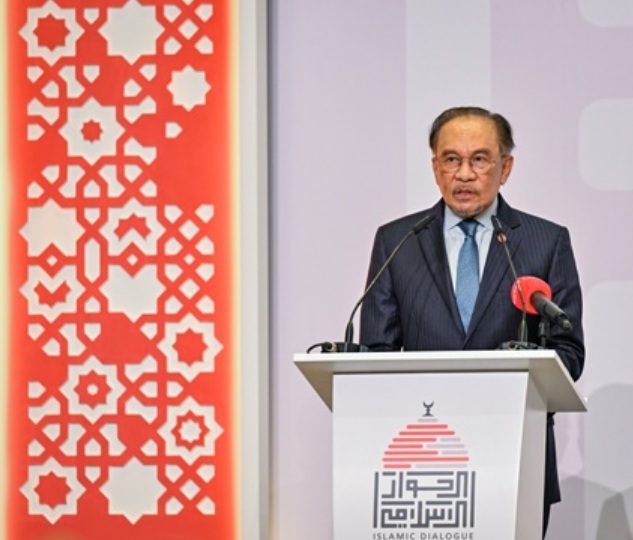
    His Excellency Anwar Ibrahim, Prime Minister of Malaysia, participated in the Intra-Islamic Dialogue Conference, held under the theme “One Nation, One Shared Destiny.”

    Speaking at the Intra-Islamic Dialogue Conference, held under the theme “One Nation, One Shared Destiny,” His Excellency underscored the need to consolidate Islamic unity while respecting diversity.  He stated that unity does not imply uniformity but rather necessitates embracing differences for the collective benefit of the Islamic world.

    His Excellency noted that the history of Islamic thought demonstrates that doctrinal and intellectual differences have historically contributed to the richness of Islamic civilisation rather than causing division. His Excellency stressed that reviving the spirit of constructive dialogue is key to fostering greater understanding among different sects and intellectual traditions.

    His Excellency Malaysian Prime Minister emphasised that sectarianism is no longer just a religious issue but has been weaponised to inflame tensions, divide communities and weaken political cohesion.  His Excellency noted that digital space platforms have amplified ideological divisions, exacerbating conflicts.  His Excellency called for the adoption of ethical digital discourse and the promotion of tolerance and pluralism to counter exclusionary narratives.

    His Excellency also emphasised the need for Islamic nations to coordinate their efforts on the international front and to ensure that political disagreements do not weaken their collective position.

    On the Palestinian cause, His Excellency Prime Minister Anwar stressed that the ongoing occupation and humanitarian crisis in Gaza and the West Bank demand more than verbal condemnations.  His Excellency called on Islamic nations to demonstrate greater solidarity through concrete diplomatic and economic measures.

    Concluding his address, His Excellency the Malaysian Prime Minister called for a unified vision for the future of the Islamic world, underpinned by cooperation and respect for national sovereignty for each state.  His Excellency emphasised that, despite differences, Muslims share a common faith and a moral responsibility to advance solidarity and collective action for the benefit of the entire “ummah” (Islamic nation).

  • نخست‌وزیر مالزی در کنفرانس گفتگوی درون‌اسلامی خواستار وحدت و اقدام جمعی شد

    نخست‌وزیر مالزی در کنفرانس گفتگوی درون‌اسلامی خواستار وحدت و اقدام جمعی شد

    عالیجناب انور ابراهیم، نخست‌وزیر مالزی، در کنفرانس گفتگوی درون‌اسلامی که با شعار «یک ملت، یک سرنوشت مشترک» برگزار شد، شرکت کرد.

    در سخنرانی خود در کنفرانس گفتگوی درون‌اسلامی که با شعار «یک ملت، یک سرنوشت مشترک» برگزار شد، ایشان بر ضرورت تحکیم وحدت اسلامی در عین احترام به تنوع و تفاوت‌ها تأکید کرد. وی اظهار داشت که وحدت به معنای یکسان‌سازی نیست، بلکه نیازمند پذیرش تفاوت‌ها به منظور تأمین منافع جمعی امت اسلامی است.

    ایشان با اشاره به تاریخ تفکر اسلامی، خاطرنشان کرد که تفاوت‌های عقیدتی و فکری نه‌تنها موجب تفرقه نشده، بلکه به غنای تمدن اسلامی کمک کرده است. وی احیای روحیه گفتگوی سازنده را کلید درک بهتر میان مذاهب و جریان‌های فکری مختلف دانست.

    نخست‌وزیر مالزی تأکید کرد که فرقه‌گرایی دیگر صرفاً یک مسأله دینی نیست، بلکه به ابزاری برای برانگیختن تنش‌ها، ایجاد شکاف در جوامع و تضعیف انسجام سیاسی تبدیل شده است. وی همچنین نقش رسانه‌های دیجیتال در تشدید اختلافات ایدئولوژیک و افزایش درگیری‌ها را مورد توجه قرار داد و خواستار ترویج گفتمان دیجیتال اخلاق‌محور و ترویج تسامح و تکثرگرایی برای مقابله با روایت‌های انحصارطلبانه شد.

    ایشان همچنین بر ضرورت همکاری و هماهنگی ملت‌های اسلامی در عرصه بین‌المللی تأکید کرد و هشدار داد که اختلافات سیاسی نباید موضع جمعی کشورهای اسلامی را تضعیف کند.

    در خصوص مسئله فلسطین، نخست‌وزیر مالزی بر لزوم واکنشی فراتر از محکومیت‌های لفظی نسبت به اشغالگری و بحران انسانی جاری در غزه و کرانه باختری تأکید کرد. وی از کشورهای اسلامی خواست تا با اقدامات دیپلماتیک و اقتصادی ملموس، همبستگی بیشتری با مردم فلسطین نشان دهند.

    نخست‌وزیر مالزی در پایان سخنان خود، بر لزوم تدوین چشم‌اندازی مشترک برای آینده جهان اسلام بر اساس همکاری و احترام به حاکمیت ملی کشورها تأکید کرد. وی خاطرنشان کرد که با وجود تفاوت‌ها، مسلمانان دارای ایمان مشترک و مسئولیت اخلاقی برای تقویت همبستگی و اقدام جمعی در راستای منافع امت اسلامی هستند.

  • His Eminence Sayyid Ali Al-Amin: Intra-Islamic Dialogue Conference Strengthens Islamic Unity and Rejects Calls for Division and Extremism

    His Eminence Sayyid Ali Al-Amin: Intra-Islamic Dialogue Conference Strengthens Islamic Unity and Rejects Calls for Division and Extremism

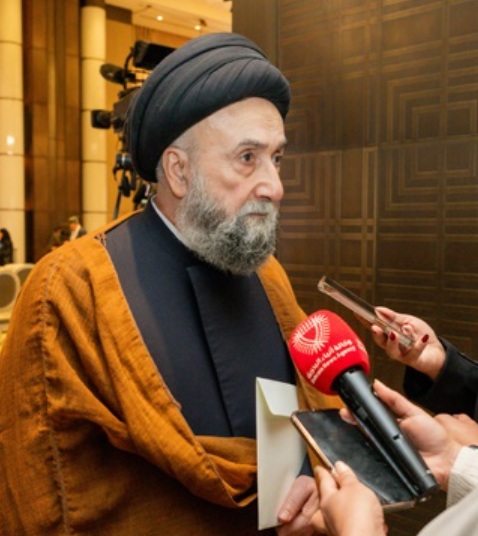
    His Eminence Sayyid Ali Al-Amin, a member of the Muslim Council of Elders, emphasized that the Intra-Islamic Dialogue Conference, held in the Kingdom of Bahrain under the theme “One Nation, One Shared Destiny,” gains its significance from the esteemed patronage of His Majesty King Hamad bin Isa Al Khalifa of the Kingdom of Bahrain. He further noted that the conference is being held at a critical time for the Islamic world.

    His Eminence underscored the importance of unity, stating that the conference plays a vital role in strengthening ties among members of the Islamic nation while rejecting calls for division and extremism. He also expressed optimism that the conference would make a meaningful contribution to addressing the pressing challenges facing the Muslim world and hoped it would result in key recommendations to enhance communication, foster engagement, and reinforce unity and cooperation.

    He further highlighted that, through its opening addresses and key sessions, the conference marks an important step toward greater solidarity among Islamic nations in the face of shared challenges. Stressing the urgent need to overcome internal divisions, he called for a renewed focus on common concerns, particularly the Palestinian cause. He also expressed his hope that the conference would help lay the foundation for stronger cooperation and solidarity among Islamic nations.

  • حضرت سید علی الامین: کنفرانس گفتگوی درون‌اسلامی، وحدت اسلامی را تقویت کرده و ندای تفرقه و افراط‌گرایی را رد می‌کند

    حضرت سید علی الامین: کنفرانس گفتگوی درون‌اسلامی، وحدت اسلامی را تقویت کرده و ندای تفرقه و افراط‌گرایی را رد می‌کند

    حضرت سید علی الامین، عضو شورای حکمای مسلمانان، تأکید کرد که کنفرانس گفتگوی درون‌اسلامی که در پادشاهی بحرین تحت عنوان “یک ملت، یک سرنوشت مشترک” برگزار می‌شود، اهمیت خود را از حمایت ارزشمند اعلی‌حضرت پادشاه حمد بن عیسی آل خلیفه، پادشاه بحرین، اتخاذ می‌کند. وی همچنین خاطرنشان کرد که این کنفرانس در برهه‌ای حساس برای جهان اسلام برگزار می‌شود.

    ایشان بر اهمیت وحدت تأکید کرده و بیان داشتند که این کنفرانس نقش مهمی در تقویت پیوندهای میان اعضای امت اسلامی ایفا می‌کند و در عین حال ندای تفرقه و افراط‌گرایی را رد می‌نماید. وی همچنین ابراز امیدواری کرد که این کنفرانس بتواند سهم مهمی در پرداختن به چالش‌های فوری جهان اسلام داشته باشد و به ارائه توصیه‌های کلیدی در جهت تقویت ارتباطات، گسترش تعامل و تحکیم وحدت و همکاری بینجامد.

    ایشان در ادامه افزود که این کنفرانس از طریق سخنرانی‌های افتتاحیه و نشست‌های کلیدی خود، گامی مهم به سوی همبستگی بیشتر میان کشورهای اسلامی در مواجهه با چالش‌های مشترک برداشته است. وی با تأکید بر ضرورت غلبه بر اختلافات داخلی، خواستار تمرکز مجدد بر مسائل مشترک، به‌ویژه مسئله فلسطین شد. ایشان همچنین ابراز امیدواری کردند که این کنفرانس بتواند پایه‌ای محکم برای همکاری و همبستگی بیشتر میان کشورهای اسلامی ایجاد کند.